

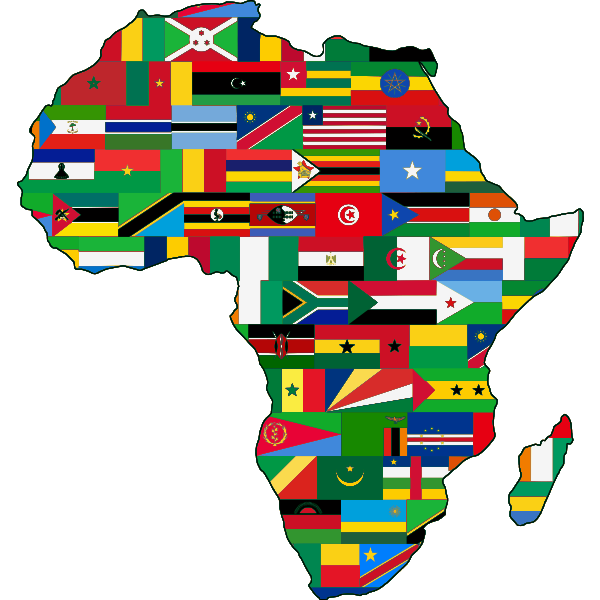
For decades, Africa has been framed as a continent in waiting: waiting for aid, waiting for rescue, waiting for validation. Africa is home to the world's youngest population, some of the fastest-growing economies, critical minerals powering the green transition, and a rapidly expanding innovation ecosystem. Yet, in many international conversations, the continent continues to be framed primarily through the lens of poverty, conflict, humanitarian crises, and dependence on foreign aid.
A more accurate frame should be that Africa is already an engine of ideas, markets, talent, culture, and policy innovation, and the task now is not to “save” Africa but to invest in, trade with, and learn from it.
The old narrative persists because it is convenient. It simplifies a diverse continent into a single story of dependency, and in doing so, it distorts policy, media coverage, philanthropy, and investment decisions.
Why the aid dependence narrative must change
Narratives matter because they shape investment decisions, influence foreign policy, and affect how nations are perceived in global markets. When Africa is consistently framed as a recipient rather than a contributor, it becomes easier to overlook its growing economic influence and harder to recognise it as an equal partner in shaping the future.
Africa today is home to over 1.5 billion people, making it one of the fastest-growing consumer markets in the world. By 2050, one in every four people globally will be African, according to the United Nations. At a time when many regions face ageing populations and shrinking workforces, Africa's youthful demographic is one of the world's greatest strategic assets.
Beyond Aid: Africa Is Already Building
Too often, discussions about Africa begin with what the continent lacks. A more accurate starting point is what Africa is building.
The African Continental Free Trade Area (AfCFTA) has created the world's largest free trade area by number of participating countries, bringing together 54 countries with a combined market of more than 1.4 billion people and an estimated GDP exceeding US$3.4 trillion. If fully implemented, the World Bank estimates AfCFTA could lift 30 million people out of extreme poverty while significantly increasing intra-African trade.
Secondly, innovation is equally transforming the continent. African startups attracted billions of dollars in venture capital over the past decade despite global funding slowdowns. The Partech Africa Tech Venture Capital Report (Annual) has consistently shown that African tech startups have attracted billions of dollars in equity funding annually, peaking at over US$6 billion in 2022 before declining alongside the global VC slowdown.
Nigeria, Kenya, Egypt, and South Africa continue to produce globally recognised technology companies solving uniquely African challenges in payments, agriculture, logistics, education, and healthcare. Example: Flutterwave, Moniepoint, Interswitch, Andela in Nigeria; M-Pesa (Safaricom), M-KOPA, Twiga Foods in Kenya; MNT-Halan, Swvl, MoneyFellows in Egypt; and Yoco, TymeBank, Ozow in South Africa.
Mobile money, once viewed as an African workaround for weak banking infrastructure, has become a global case study in financial inclusion. Solutions pioneered on the continent are now influencing digital finance worldwide. According to the World Bank's Global Findex and GSMA, mobile money has been the primary driver of increased financial account ownership in Sub-Saharan Africa, demonstrating how digital financial services can expand access for previously unbanked populations.
Hence, Africa is not waiting to be developed, but it is developing itself.
Agency Means Partnership, Not Dependency
Reframing Africa does not mean rejecting international cooperation. Development finance, humanitarian assistance, and global partnerships continue to play important roles, particularly during crises. However, the relationship must evolve.
Africa's engagement with the world should increasingly be characterised by co-investment rather than donor dependency, by trade rather than charity, and by shared innovation rather than one-way technical assistance.
The continent has demonstrated growing institutional ambition through regional integration, digital transformation strategies, climate initiatives, and expanding private-sector leadership.
What is required now is an international ecosystem that recognises African institutions, governments, businesses, researchers, and communities as equal partners capable of setting priorities rather than merely implementing externally designed solutions.
New frameworks for the world
If the old frame was “help Africa,” the new frame should be “partner with Africa”, and that requires three practical shifts.
First, move from charity to investment. Aid may still have a place in humanitarian crisis, but development finance should increasingly focus on bankable infrastructure, industrialisation, and capacity building. The point is not to abandon solidarity but to align solidarity with productive, measurable outcomes.
Second, move from extraction to value addition. Africa should not remain mostly a supplier of raw materials while importing finished goods. Strategic investment in manufacturing, logistics, energy, and regional trade can turn natural wealth into industrial strength and jobs. That means treating African economies as sites of production, not just extraction.
Third, move from storytelling about Africa to storytelling with Africa. Media organisations, brands, governments, and nonprofits must include African voices at the level of framing, not just quotation. A narrative built without African authorship will continue to reproduce imbalance, even when its tone sounds sympathetic.
The Responsibility Also Lies Within
The era of defining Africa by its deficits must give way to recognising its capabilities. That shift will not happen through rhetoric alone. It requires deliberate action from every stakeholder.
African governments must accelerate implementation of the AfCFTA, strengthen institutions, invest in education and innovation, and create policy environments that reward entrepreneurship and long-term investment.
The private sector should move beyond extractive models by investing in local manufacturing, technology transfer, skills development, and regional value chains that create jobs and retain wealth on the continent.
International partners and development institutions should increasingly structure relationships around trade, co-investment, blended finance, and locally led development, recognising African institutions as equal partners rather than passive beneficiaries.
Global media organisations must expand coverage beyond crises, reflecting the full complexity of African societies through stories of innovation, governance, business, culture, and scientific achievement.
African media, creatives, researchers, and storytellers must continue to shape authentic narratives grounded in evidence, nuance, and lived experience, ensuring that Africa is no longer spoken about more than it speaks for itself.
The African diaspora should leverage its global networks to unlock investment, knowledge exchange, market access, and policy influence that strengthen the continent's long-term competitiveness.
Finally, young Africans must embrace the responsibility of building institutions, businesses, and innovations that define Africa's future on its own terms.
History will not remember this decade for the volume of aid Africa received; it will remember whether Africa seized the opportunity to exercise its agency and whether the world was willing to recognise it.
The future should not be written about Africa; it should be written with Africa, and increasingly, by Africa.
Photo source: OpenClipArt