

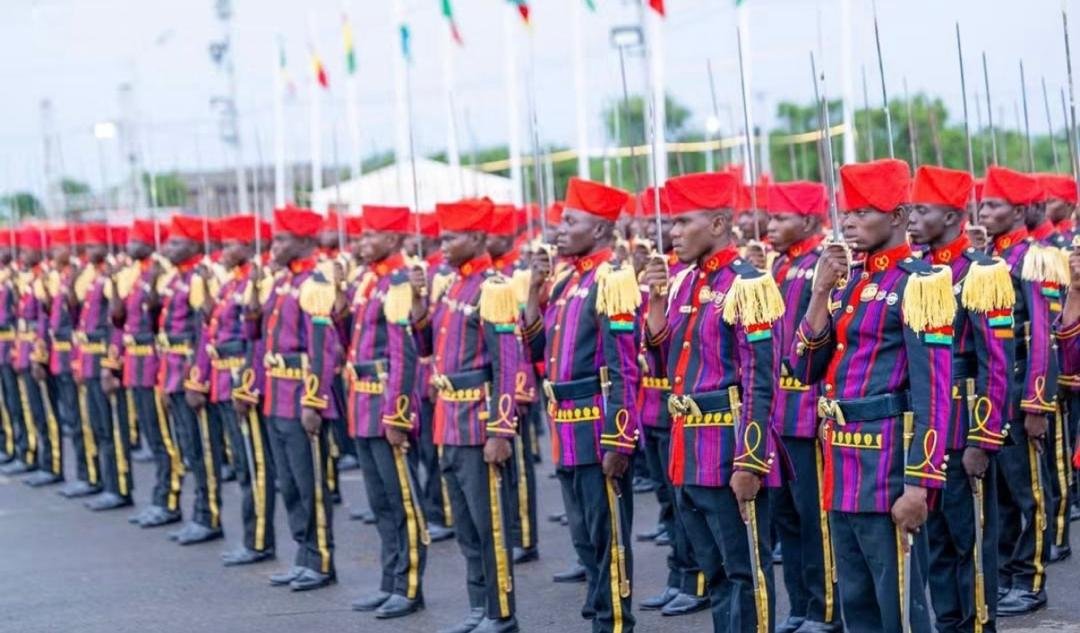
Burkina Faso recently unveiled new military uniforms made from locally woven Burkinabè fabric, inspired by the traditional Cencengu textile of the Gulmu region. Introduced at the graduation ceremony for the country's newest officer cadets, the uniforms are part of a broader government effort to promote local production, celebrate national identity, and reduce dependence on imported goods.
However, beyond the change in attire, there is a larger story about identity, local industry, and the choices institutions make.
What if this wasn't just about uniforms? What if the real story wasn't the military at all, but the fabric? What if this decision challenged a broader question for governments, businesses, schools, and institutions across Africa:
What happens when African institutions intentionally choose African-made products? The answer is beyond textiles.
Every time an institution chooses to procure locally, it creates demand for domestic industries, which sustains artisans, supports manufacturers, creates jobs, strengthens small businesses, and keeps more economic value circulating within local communities. It also encourages innovation, because producers who know there is a market for their work are more likely to invest in improving quality and expanding production.
Local procurement is a vote of confidence in African capability while also preserving something equally valuable, which is the African heritage.
Across the continent, generations of artisans have passed down weaving techniques, dyeing methods, and textile traditions that tell the stories of their communities. When these products are overlooked in favour of imported alternatives, we risk losing livelihoods and also pieces of our cultural identity.
Choosing local helps ensure these traditions continue to evolve rather than disappear.
It also strengthens Africa's value chains. Cotton grown on the continent can be processed, woven, designed, manufactured, and worn on the continent. Instead of exporting raw materials and importing finished products, African economies can capture more value at every stage of production.
Perhaps most importantly, these choices build national confidence. When citizens regularly see African-made products being trusted by governments and major institutions, they begin to view local production as a standard of quality worth investing in, instead of just a substitute.
A Continent Rich in Craftsmanship
Burkina Faso is far from alone because across Africa, countries have long traditions of producing textiles that carry both cultural significance and economic potential.
In Ghana, kente has become one of the continent's most recognisable symbols of heritage and craftsmanship. In Nigeria, adire, aso oke, akwete cloth, and other indigenous textiles continue to support local artisans while finding new relevance in contemporary fashion. Rwanda has invested in expanding its Made in Rwanda initiative to strengthen domestic manufacturing, improve the competitiveness of local products, and encourage Rwandans to buy locally produced goods. In Kenya, kikoy and kitenge remain enduring expressions of East African culture and continue to be widely used in fashion, design, and everyday life, inspiring both traditional artisans and contemporary designers. In Côte d'Ivoire, traditional loincloth weaving reflects generations of artistic excellence and cultural heritage. In 2023, UNESCO inscribed the country's traditional weaving skills on the Representative List of the Intangible Cultural Heritage of Humanity.
With intentional investment and consistent patronage, these traditions, which are industries, can create employment, strengthen regional trade, preserve heritage, and contribute meaningfully to Africa's economic transformation.
Changing the Narrative Through Everyday Decisions
At Elevate Africa, we believe changing Africa's narrative is not just about telling better stories but about creating them. The narrative of a continent is not shaped by just speeches, campaigns, or headlines but by the everyday decisions made by governments, businesses, institutions, and citizens.
Every government contract, every school uniform, every hospital linen, every conference gift, every ceremonial attire presents an opportunity to invest in African producers instead of imported alternatives.
These may seem like ordinary procurement decisions, but collectively they shape industries, preserve craftsmanship, create jobs, and reinforce confidence in what Africa is capable of producing.
When institutions intentionally choose African-made products, they are investing in the continent's future.
The Choice Before Us
Africa's transformation will not happen through policy alone. It will happen through deliberate choices that strengthen local enterprise, celebrate our cultural heritage, and build economies from within.
The next time an institution is preparing to procure uniforms, furniture, office materials, event merchandise, or gifts, the first question should not be, Where can we import this from?
It should be: Who in Africa can make this?
That simple shift in thinking has the power to create thousands of jobs, preserve centuries-old craftsmanship, strengthen African industries, and build the confidence that our products deserve a place at home and on the global stage. The most powerful symbols are often the ones people wear every day.
In conclusion, African policymakers, business leaders, procurement officers, entrepreneurs, and consumers generally should commit to making intentional choices to source from African producers because every local purchase is an investment in the Africa we want to build.
Photo source: SIG Burkina Faso/X