

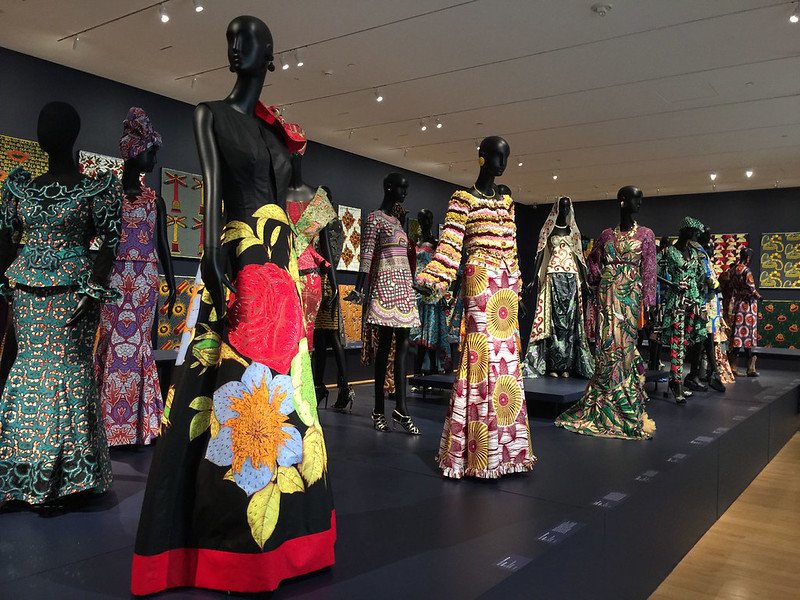
When people think about Africa's fashion industry, they often picture vibrant prints, runway shows, and talented designers. But fashion is much more than aesthetics; it is manufacturing, it is trade, it is tourism, it is intellectual property, and it is also storytelling. Above all, it is an economic sector with the potential to create jobs, preserve culture, and strengthen Africa's position in the global marketplace.
As African countries look for new engines of economic growth beyond natural resources, the creative economy deserves greater attention, and fashion sits at the heart of that opportunity.
Fashion is a multi-billion-dollar industry
Statista reports that the global apparel market generated approximately US$1.73 trillion in revenue in 2023 and projects continued growth, supporting millions of jobs across design, textile production, manufacturing, logistics, retail, media, and technology. Although African brands are gaining international recognition, the continent's annual textile, clothing, and footwear exports total about US$15.5 billion, a modest figure compared with the scale of the global apparel market, according to UNESCO's landmark report titled “The African Fashion Sector: Trends, Challenges and Opportunities for Growth”.
The opportunity extends beyond clothing. Every fashion product represents an entire value chain, from cotton farming and weaving to garment production, branding, photography, film, marketing, export, and retail, and for a continent with the world's youngest population, this creates enormous potential for employment and entrepreneurship.
Across the continent, communities have spent centuries producing distinctive textiles and craftsmanship that reflect their histories and identities.
Whether it is Ghana's Kente, Nigeria's Akwete cloth, Mali's Bogolanfini (mud cloth), Ethiopia's handwoven cotton, or Burkina Faso's Faso Dan Fani, these traditions represent both cultural heritage and economic opportunity.
Yet many indigenous fabrics and techniques face an uncertain future. Globalisation, limited documentation, weak intra-African trade, and underinvestment have contributed to the decline of many traditional crafts. Preserving these traditions is key because it is about creating industries that generate income while protecting cultural identity.
Africa's creative industries are increasingly recognised as drivers of economic diversification, but their full potential depends on stronger regional markets.
The African Continental Free Trade Area (AfCFTA) brings together a market of more than 1.3 billion people with a combined GDP of US$3.4 trillion, according to the World Bank, offering unprecedented opportunities for African brands to scale across borders. Also, the World Bank estimates that Intra-African exports could increase by 81% by 2035 under full implementation of the AfCFTA.
For fashion entrepreneurs, this means easier access to regional customers, suppliers, manufacturers, and investment.
Recognising both the economic and cultural potential of African fashion, Elevate Africa launched Threads of Africa as part of its broader commitment to advancing the continent's creative economy. Rather than viewing fashion solely as a creative expression, the initiative approaches it as a driver of trade, cultural diplomacy, entrepreneurship, and sustainable development. Through a pan-African fashion film competition, Threads of Africa encourages designers and filmmakers to document and reimagine endangered indigenous textiles and craftsmanship, creating stories that preserve Africa's heritage while positioning it for new commercial opportunities.
The Way Forward
For too long, conversations about Africa's economic future have focused primarily on extractive industries or technology. The creative economy deserves equal attention.
Fashion creates jobs that cannot easily be outsourced, strengthens tourism, preserves cultural knowledge, supports manufacturing, and encourages entrepreneurship. It generates export opportunities and gives young Africans new pathways into meaningful work. Most importantly, it allows Africa to capture greater value from its own stories.
As the continent works toward deeper economic integration, investing in fashion should be seen as a development strategy.
Ultimately, Africa's fashion industry needs investment, policy support, stronger regional markets, and platforms that connect creativity with commerce. If the continent is serious about economic diversification and job creation, fashion cannot remain on the margins of development conversations. It must be recognised for what it already is: a strategic industry capable of generating wealth, preserving heritage, and shaping Africa's place in the global economy.
Photo source: Laura Blanchard/Flickr